Space creates brands, and brands transform cities.
The power of space demonstrated by Musinsa and I.I.Combined
Tracing the growth histories of unicorns and global companies, one commonality becomes clear: the space they grew in and how they leveraged that space ultimately determined their success or failure.
Companies that have been able to read the city's trends ahead of others and seize advantageous positions have naturally expanded their brand influence, creating a stage for growth where people and capital naturally converge. Conversely, companies that are insensitive to signals of change are prone to faltering growth, hindered by structural limitations like vacancy, cost burdens, and talent loss.
Today, real estate isn't simply a building or an address. It's a "corporate platform" encompassing talent strategy, brand strategy, financial structure, and operational efficiency. The choice of space and how it's utilized can drastically impact a company's growth rate and direction. Only companies that proactively anticipate and act on market trends can naturally transition to the next stage.
Space creates brands, and brands transform cities.

Musinsa, an online fashion platform and commerce company, reimagined the Seongsu area as a brand experience center. By arranging offices, showrooms, select shops, and exhibition spaces throughout the neighborhood, they created a structure that naturally immerses people into the brand as they walk through the neighborhood.
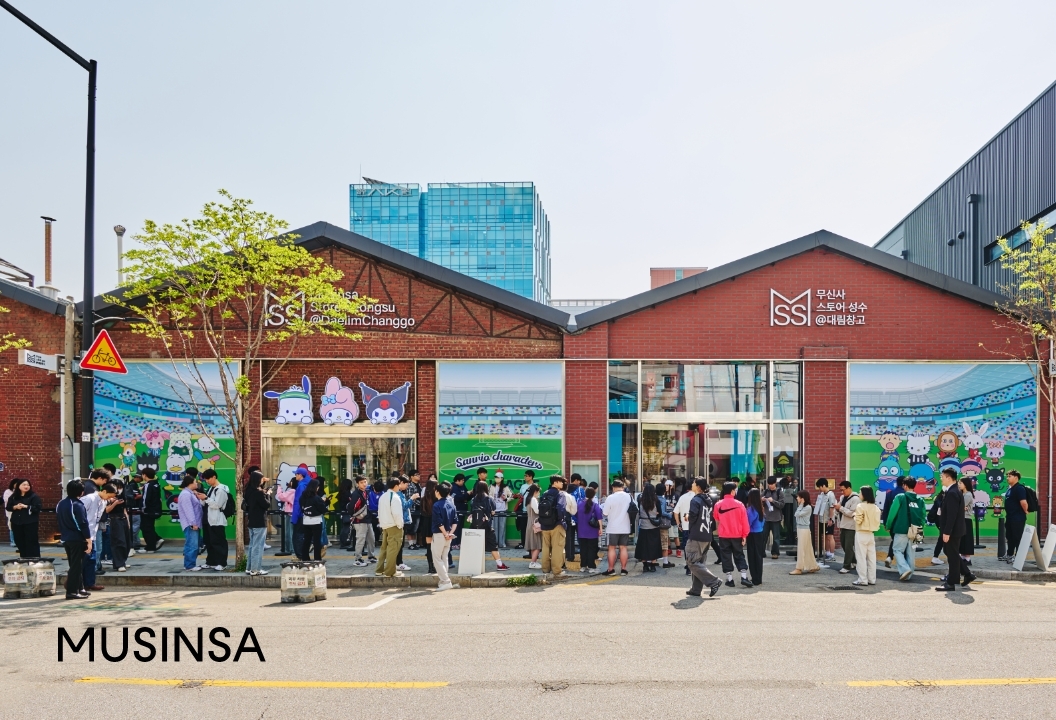
This strategy transformed Seongsu into an urban hub attracting young people and tourists, and its vibrant energy led to rising rents and property values. This was a feat only companies that created commercial districts, not simply followed them.
IiCombined is renowned for its ability to read the fabric of a city. By preemptively occupying key locations where lifestyle trends converge, such as Seongsu, Hannam, Sinsa, and Mapo, it expanded its flagship stores and exhibition spaces. This, coupled with the K-fashion and K-culture trends, has led to an influx of domestic and international tourists. The example of the Seongsu property, acquired in 2018, seeing its value increase severalfold in just a few years demonstrates how space can leverage corporate assets. Brands are created within spaces, and well-designed spaces, in turn, enhance the value of a region, which in turn translates into corporate value.
The brand's central axis and a space for expanding the organization
The office building is a vessel that holds the company's future.

A company building is more than just a workspace. It's a vessel that embodies a company's philosophy and future, a hub where talent gathers and organizational culture is formed.
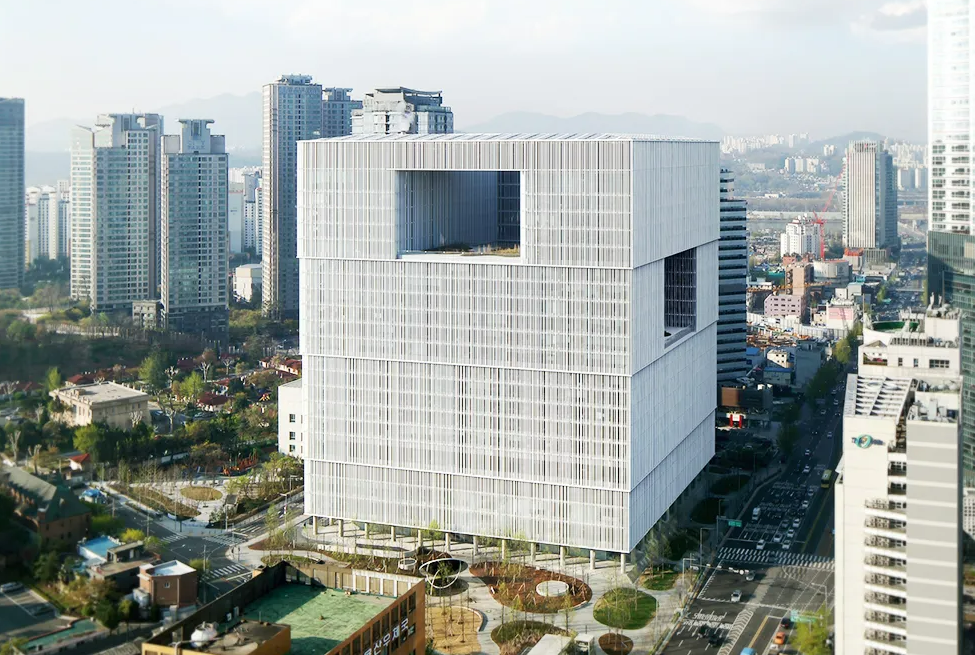
Amorepacific's Yongsan headquarters exemplifies this point. Foreseeing Yongsan's potential as a new hub where business, culture, and transportation converge, Amorepacific built the headquarters as an architectural embodiment of its brand philosophy. The building visually translates the company's values, with its internal courtyard, light flow, and open vertical circulation. As Yongsan's value has risen, the headquarters has become more than just a symbol of the brand, but a stable asset.
Naver's Green Factory is a prime example of a technology company interpreting its identity through space. Developers were involved from the design stage, creating an environment that fostered creativity and engagement, and this laid the foundation for Naver's ability to attract global talent.
Companies that have turned real estate into a turning point in the midst of a crisis
Doosan Group, facing a liquidity crisis, sold off core assets like Doosan Tower and the Yeongang Building to relieve pressure. Building on this, it embarked on a large-scale restructuring, marking a turning point for its recovery. Dongkuk Steel also converted its land holdings into mixed-use development projects, reducing its financial burden and securing a new revenue stream.
Paper Korea also attempted to improve its finances by relocating its factory and developing its land amid the slump in the paper industry.
The common thread between these three companies is clear: they viewed real estate not as a "building to own," but as a resource that could be strategically manipulated according to circumstances. This judgment became the driving force behind their companies' direction.
With 20 million tourists arriving, capital is once again flowing into hotels.
Urban remodeling and the influx of global funds
Hotels and large-scale accommodations in downtown Seoul and the Gangnam area have recently been re-emerging as corporate investment assets. With the expansion of K-culture and the performance industry, annual visitors to Seoul approaching 20 million, these properties offer the promise of stable profits and long-term asset value appreciation.
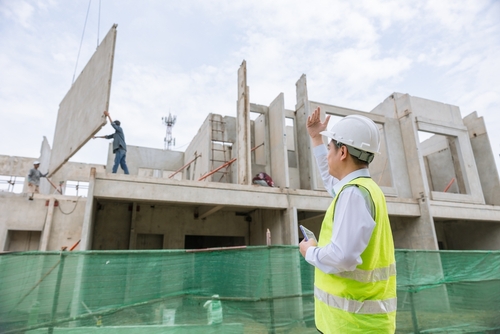 There are also increasing instances of converting aging office and academy buildings into hotels. As seen with the Pagoda Building remodel, increased tourism demand creates a new revenue model, reducing vacancy risk while increasing operating profits, attracting continued interest from both domestic and international investors.
With their rare urban locations and explosive demand for accommodations, hotels are likely to remain important investment assets going forward.
Technology is changing cities, and cities are changing their standards for location.
An era where power, data, and networks are becoming the new language of positioning.

The value of a space is no longer determined solely by design or commercial scale. ESG compliance, resilience to technological change, and infrastructure capable of supporting future industries are emerging as new criteria.
In particular, data centers, a core infrastructure in the AI era, require stringent requirements in power, cooling, security, and accessibility. Considering the concentration of talent in the metropolitan area and the mobility of talent, the scarcity of areas offering convenient power, transportation, and living conditions is expected to increase further.
The proliferation of autonomous driving and robotic logistics technologies is also reshaping urban structures. Parking lots are losing their meaning, and the location of logistics hubs is being redefined. While new hubs like Seongsu, Yongsan, and Pangyo are gaining momentum, areas that have fallen behind the curve are gradually losing their competitiveness. Corporate location strategies now require a comprehensive understanding of markets, technologies, population, power, and urban structures.
Location is just the beginning; real estate strategy completes the business.
 Even if you secure a prime location and build a strong brand, if that space fails to regenerate, your strategy is only half-assed. How you utilize real estate can help a company weather a crisis or lay the groundwork for a new leap forward. Small decisions like depreciation structure and the timing of sales and re-leasing create a company's financial strength.
So the final question is simple: What kind of space are we growing in now? Does that space attract people, attract customers, and withstand technological change? What matters is not its immediate location, but its potential for the future. Cities are rapidly changing. In this era, real estate strategy is a company's survival strategy. Only companies that anticipate trends and secure advantageous locations can transform their spaces into brands, assets, and a springboard for new growth.
The conclusion is simple: real estate isn't just a building. It's the most realistic force shaping a company's next 20 years.