Recently, space design and utilization are evolving beyond simple physical structures to bring innovation to human life and business. The reason why many companies are desperate for offline space changes is because consumers' purchasing patterns are threatened by the online market where they can be resolved with a single click. In other words, offline stores' biggest competitors are not those in the same industry, but the online market where they can be resolved with a single click at home, and a strategy is needed to get consumers out of their homes.
Retail Space: A Hub of Experience and Convergence
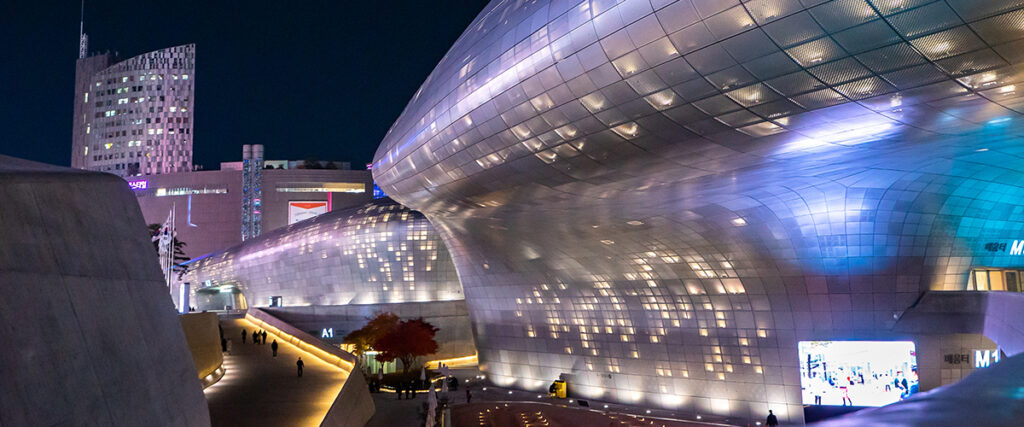
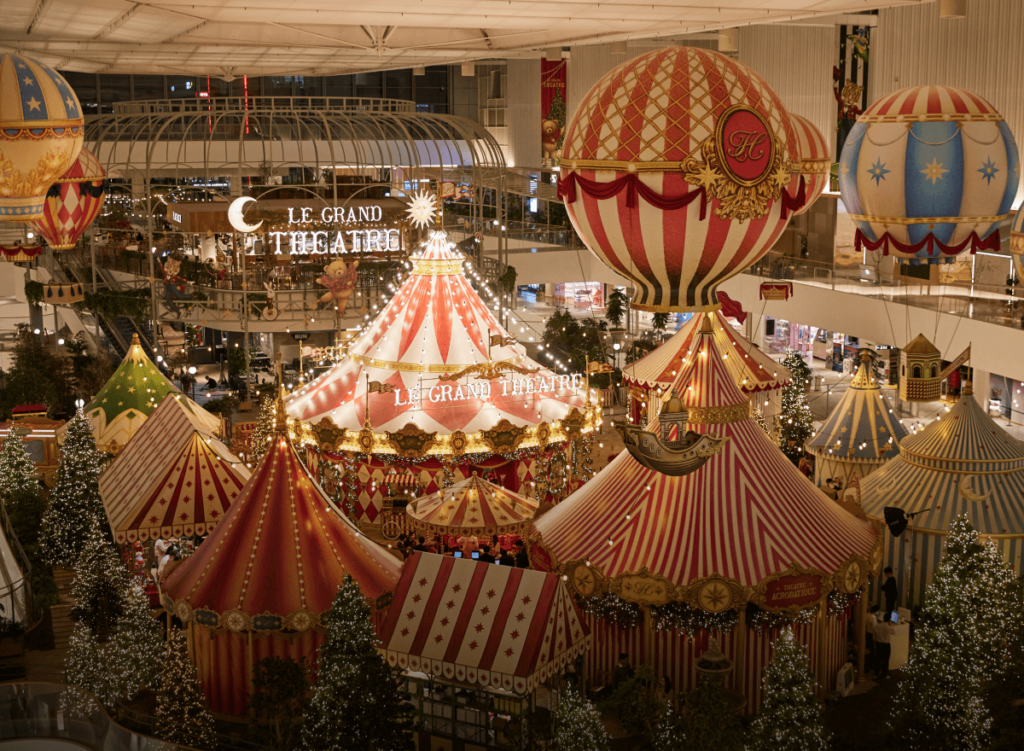
The rise of experience-centric retail spaces Consumers go beyond simply purchasing items to visit offline stores where they need to have a unique and enjoyable experience. Dongdaemun Design Plaza (DDP) in Seoul is a space that combines fashion, exhibitions, and events, and is a representative place where you can experience shopping and art in one place. In addition, Hyundai Department Store The Hyundai Seoul introduced Sound Forest, a large green space, to provide both shopping and relaxation experiences.
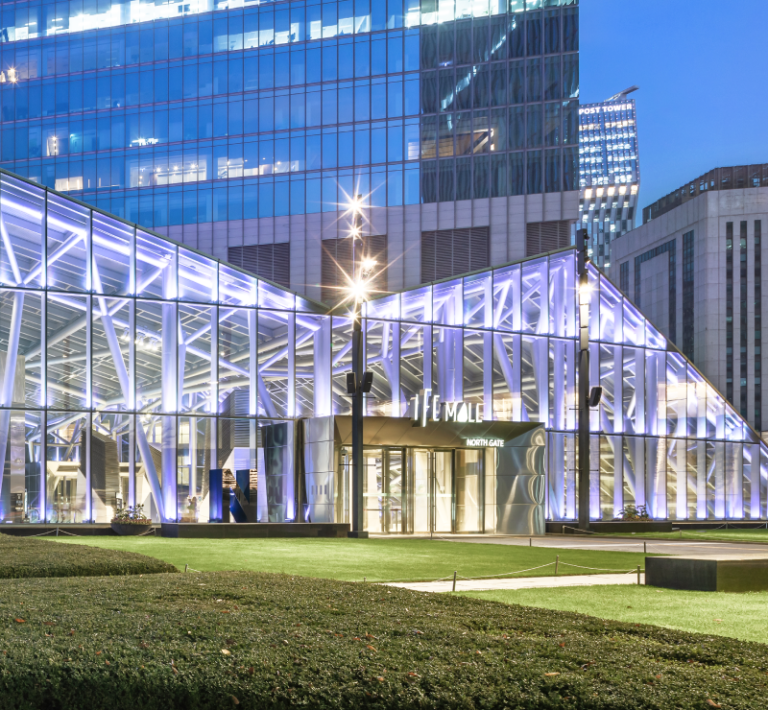
The growth of multi-use retail hubs A mixed retail hub that combines shopping, entertainment, and residential functions provides high satisfaction to consumers and is positioned as a center of the local community. IFC Mall in Yeouido is a hub that combines office, hotel, and shopping space, and can be said to be a space that encompasses both office workers and tourists. Lotte World Tower and Lotte Mall are considered successful examples of mixed development that combine various functions in a high-rise building.
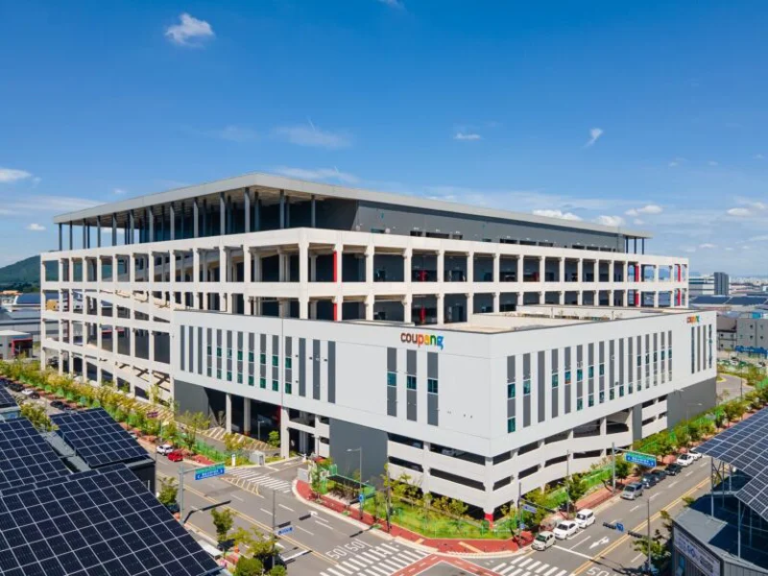
Convergence of e-commerce and offline stores Despite the growth of online shopping, offline stores are being transformed into logistics hubs or pickup centers, drawing attention as a new form of distribution space. Coupang's logistics center serves as a large-scale offline logistics hub, emphasizing its importance as a space connected to fast delivery.
Living Space: The Era of Wellbeing and Flexibility
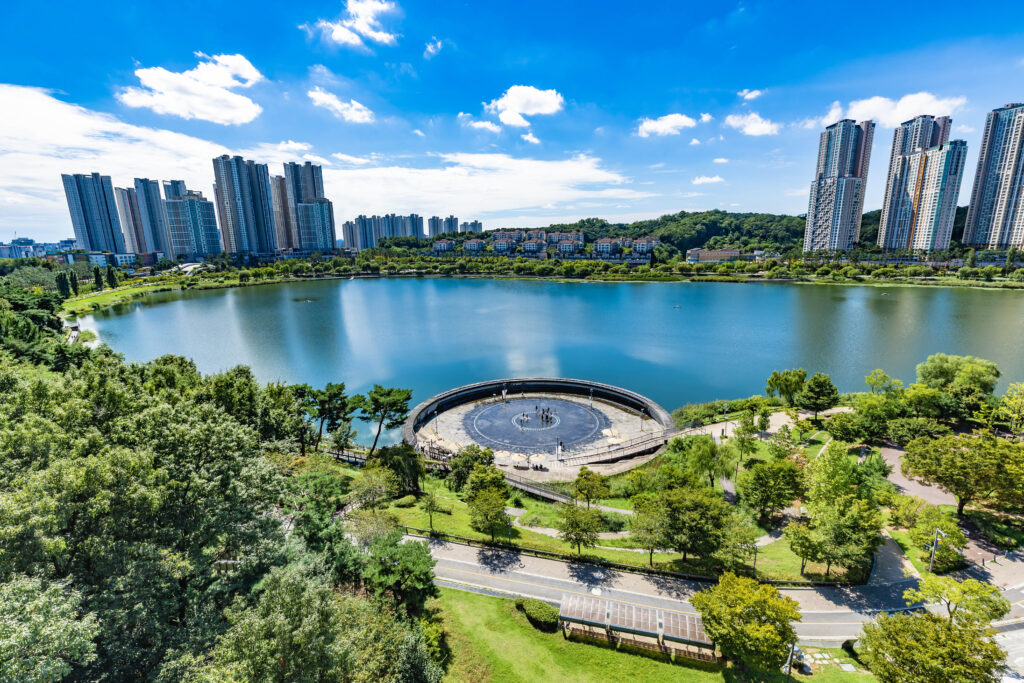
Wellness-focused living spaces As the trend of focusing on health and wellness spreads, these factors are also being considered important in residential spaces. The complex around Gwanggyo Lake Park provides an environment close to nature and health care facilities, and is attracting attention as a representative example of wellness housing.
Flexible space design As telecommuting and hybrid work become more widespread, residential spaces are changing to create a balance between work and life. Pangyo Alphadom City is a mixed-use development that combines commercial and residential spaces, and is gaining popularity for its design that allows for a variety of space uses.
Shared Housing and Community Spaces With the spread of the sharing economy, shared housing and community spaces are becoming new housing trends. Co-living houses in Seoul are places where residents share a kitchen and living room, offering cost efficiency and social interaction at the same time.
Workspaces: Hybrid and Smart
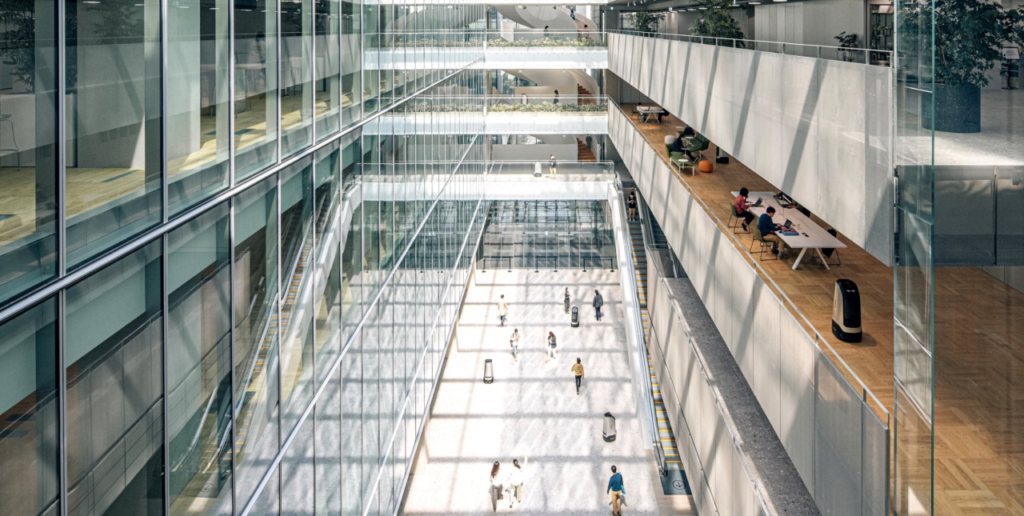
The spread of hybrid offices As work environments become more flexible, offices are no longer fixed spaces but are evolving into hybrid spaces that can be adjusted as needed. Naver’s 1784 Smart Office is a cutting-edge office that utilizes robots and IoT to support a hybrid work environment.
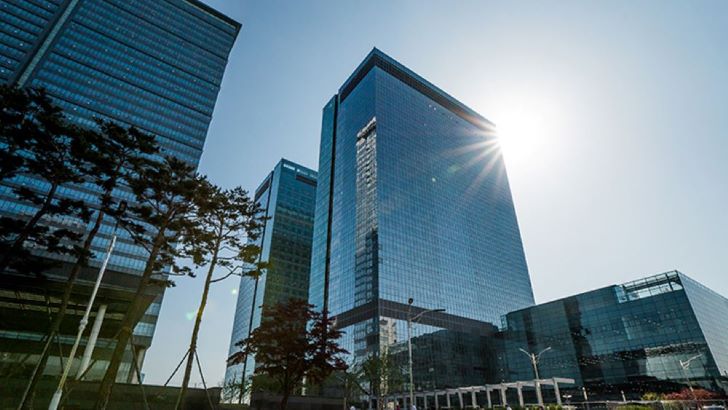
Introduction of smart office technology Smart offices that apply IoT and AI technologies are contributing to increasing productivity, enhancing energy efficiency, and improving user experience. Samsung Seocho Town combines eco-friendly certified buildings with smart technologies to provide both energy savings and convenience.
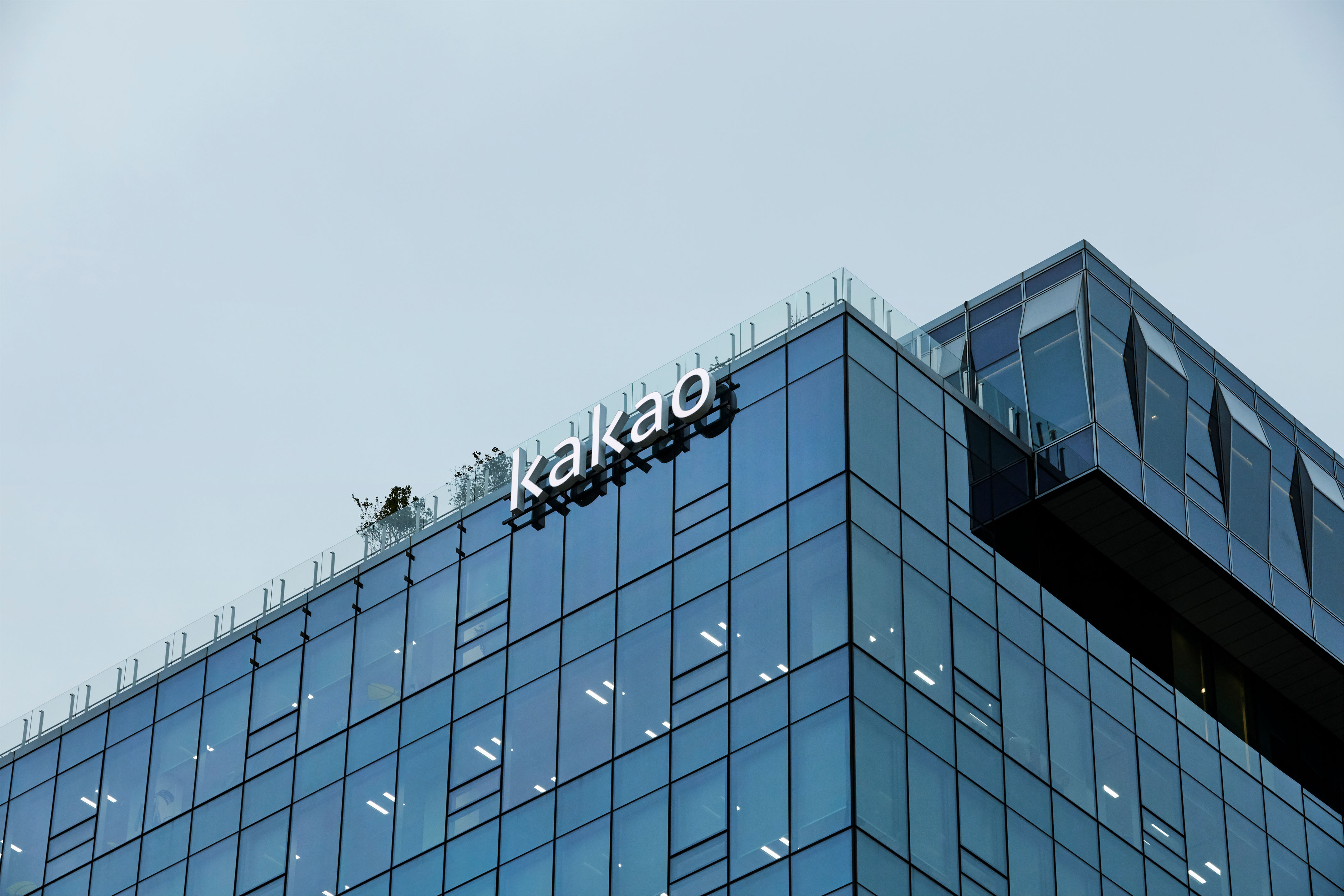
A wellness-focused work environment There is a growing number of workplaces that value the health and well-being of their employees. Kakao Pangyo Ajit provides a break room and fitness center for employees, and fosters a creative work environment.
Convergence of global trends and space
Localization of global design trends Space design that reflects global trends is being reborn as a space with unique charm by combining with regional characteristics. Songdo International City, which was created with reference to Dubai’s design, is attracting attention as a space that combines smart city and eco-friendly design.
Innovation Space in Emerging Markets Innovative spatial design is on the rise in emerging markets such as Southeast Asia and the Middle East. Busan’s Eco Delta Smart City is a representative domestic smart city project designed around innovative technologies and sustainability.
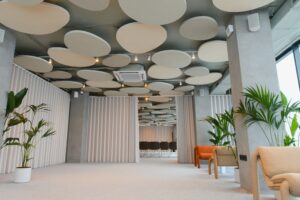
Although we used a large store as an example, the use of void space and objects in architecture is increasing in small and medium-sized offices, and the use of objects in interior design is increasing in restaurants and coffee shops. The space trend in 2025 is expected to change more than just function, focusing on experience, well-being, and technology. The key to success in real estate investment is to understand the space trend at the center of change and respond proactively.