I think retirement might be one of the things I hate most in life.
You're still young at heart, but how devastating would it be to be retired from a company you've worked for half your life without ever being able to properly protest during a life span that's renewed every year without fail? I have a lot of days left to live, but I don't think I can solve it with just my pension. I've been working for a company for half my life, so I don't have the confidence to even maintain it, let alone succeed, and I'm just at a loss.
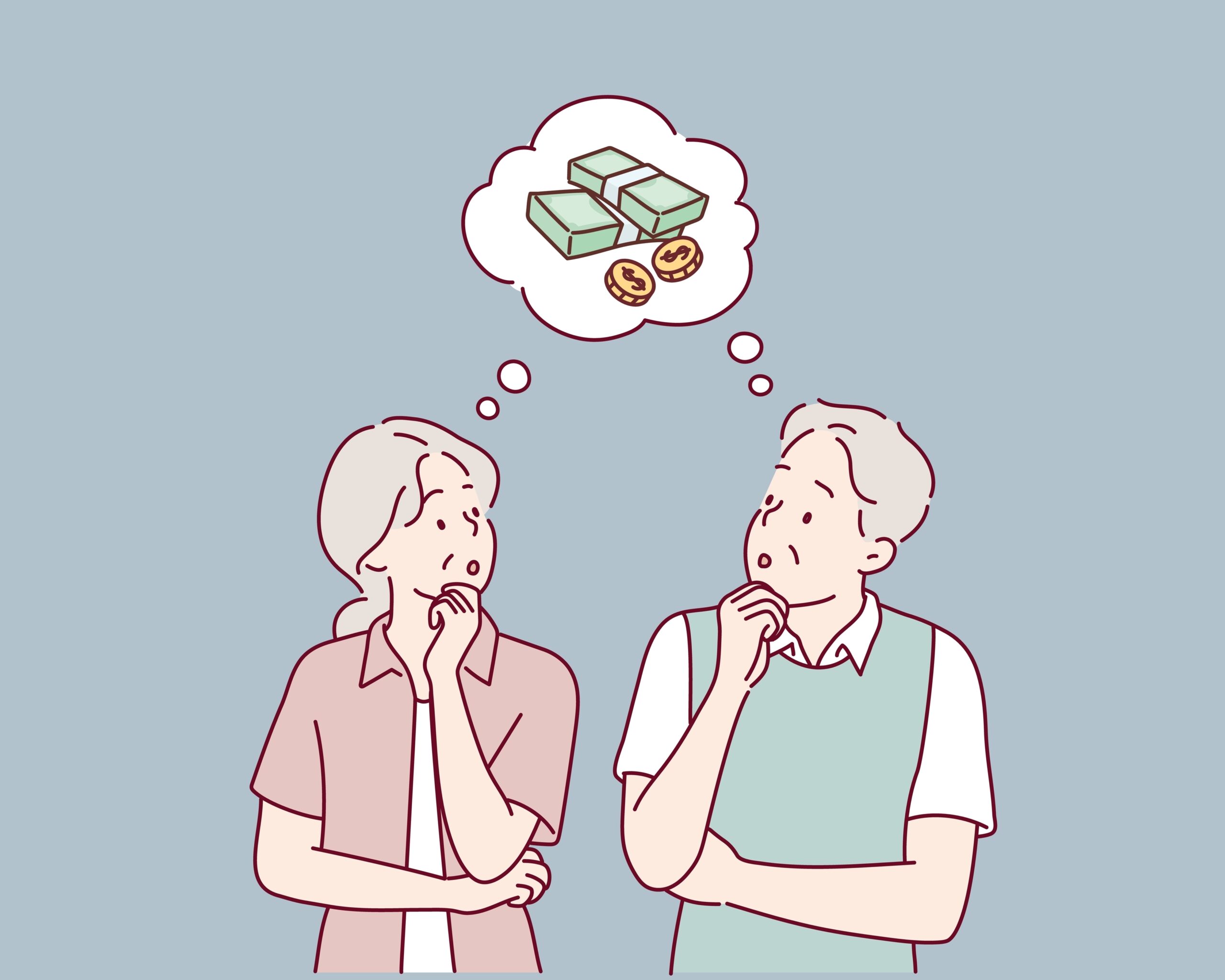
It's disconcerting to read an article claiming that a recent survey found that many retirees in the Seoul area are "house poor," living a life bordering on poverty with no disposable income. It's been a while since the average price of an apartment in Seoul has exceeded 1 billion won, so I wonder if the word "poverty" as understood by the general public is an appropriate metaphor for them.
I don't quite understand why the number of elderly people living in apartments worth over 1 billion won and having to worry about their meals is increasing. In a way, isn't this phenomenon the result of human greed, our perspective on real estate, and our desire to maintain the environment we've been comfortable with for decades?
Someone once said, "If you have rice cakes in both hands and want to grab a new one, you have to throw away one of the rice cakes." I understand the inability to give up even one of these things: the environment of Seoul, where you lived for decades, or the sense of duty to leave something behind for your descendants. But I think the most important thing is to live without causing harm to others.
If you leave Seoul and look to the metropolitan area or the provinces, you can find surprisingly profitable real estate such as commercial buildings, rental multi-family homes, and commercial-residential properties with a small budget.
 Assuming that you sell your apartment for 1 billion won, with 200 million won in retirement funds and a 300 million won loan, you can invest in real estate that generates rent, such as commercial housing in the provinces, with a budget of about 1.5 billion won. In this case, if we conservatively assume the annual investment return to be 4.5%, we can generate monthly rental income of 5.62 million won, and even after deducting the interest expense of 1 million won, we can secure disposable income of approximately 4.62 million won per month.
Of course, this is before the tax deduction, but if you have that much disposable income, you will probably be able to live without asking your children for help in your old age. Also, since the investment product is real estate, there will be no loss of principal, and you can pass it on to your descendants after you die, so you can achieve the effect of killing three birds with one stone.
They say all misfortune begins with boundless human greed and fear. Leave "Seoul," where you currently live. The world is vast, and there's plenty of income-generating real estate. One well-chosen income-generating property will be the envy of ten sons.