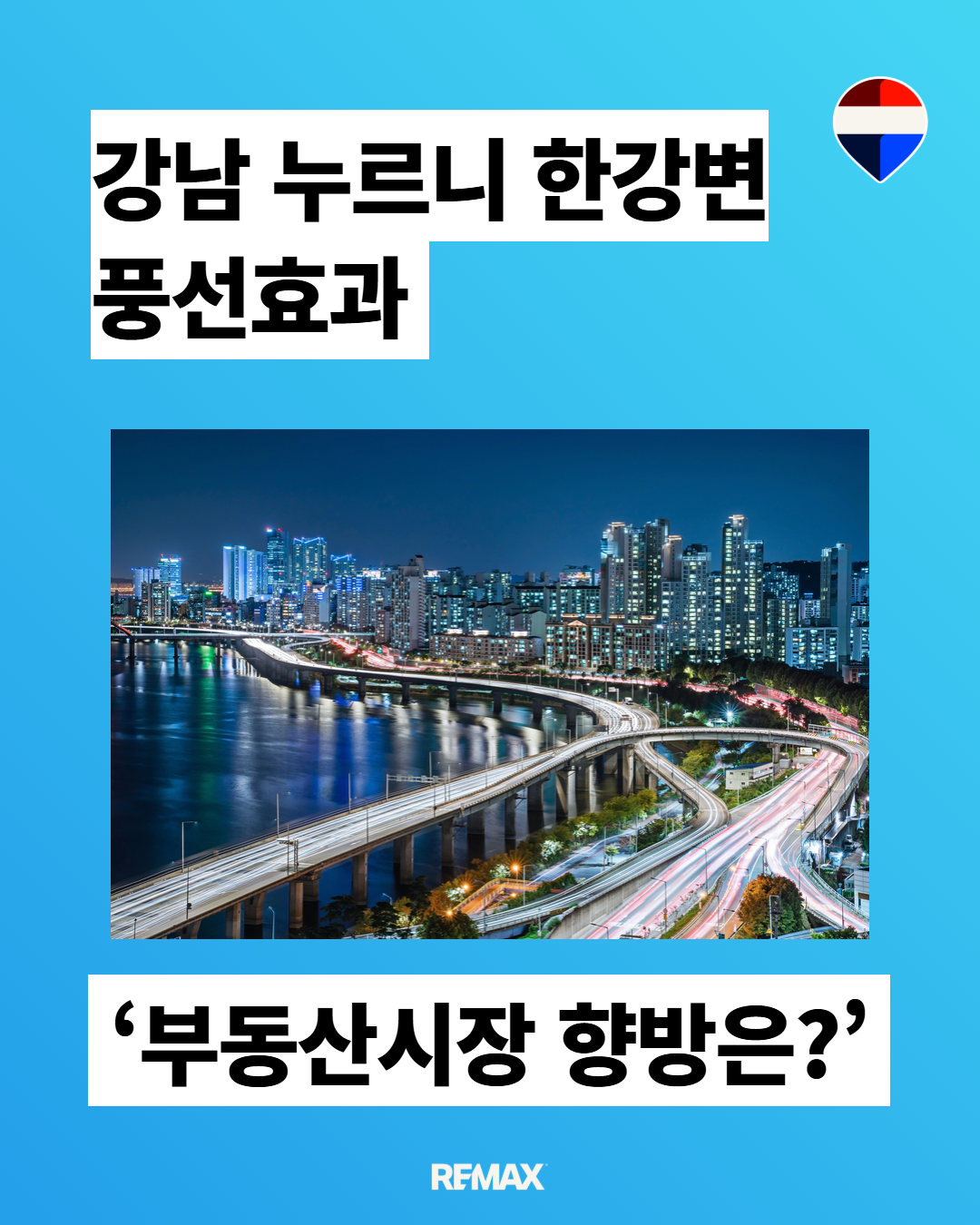
The Seoul apartment market is once again entering an overheated phase. While the government is focusing its regulations on the three Gangnam districts, demand is shifting to areas along the Han River, such as Seongdong, Gwangjin, and Mapo, driving up prices and transactions.
According to an analysis of real estate data by Remax Korea, apartment prices in Seongdong-gu rose by 0.301 tpa3t from September 1st to 8th, recording the highest increase in Seoul. Gwangjin-gu and Mapo-gu both rose by 0.221 tpa3t, surpassing Gangnam-gu's 0.161 tpa3t. During the same period, Jung-gu also saw a 0.161 tpa3t increase. The three districts along the Han River showed a more pronounced increase than the heavily regulated Gangnam area. Transactions also increased. Seongdong-gu saw a 661 tpa3t increase in August transactions compared to the previous month, and Mapo-gu saw a 241 tpa3t increase. In major complexes along the Han River, transactions are continuing to be completed at high prices, demonstrating the market's fervor.
Meanwhile, the three districts of Gangnam were hit hard by regulations, with transactions dropping by more than half. Gangnam saw a sharp drop from 312 transactions in July to 84 in August, with Songpa and Seocho seeing similar trends. However, prices still show a slight upward trend. Experts call this a classic balloon effect, stating, "Regulations in Gangnam caused demand to shift to the Han River."
Possibility of extension of the land use permit system and market direction
Industry insiders attribute this phenomenon to the combined effects of regulations concentrated in the three Gangnam districts and the booming redevelopment projects. While the June 27 loan regulations reduced the loan-to-value (LTV) ratio to 401/30, the lower average prices in non-Gangnam areas, making them relatively less of a barrier to entry, attracted buyers.
As the government is focusing on extending the existing land transaction permit zone, the market is focusing on whether areas such as Seongdong, Gwangjin, and Mapo will be newly included in the land permit system regulations.
Experts point out that while short-term regulations can curb overheating, if the supply shortage remains unaddressed, anxiety could resurface at any time. They argue that complementary measures to the rental market, such as expanding the jeonse (long-term rental) supply, should be implemented concurrently.
The direction of the real estate market isn't determined solely by supply and demand. Government regulations, supply measures, and financial trends intertwine to determine the market's direction. As policies change, so does demand. Ultimately, the ability to interpret government policies and market trends is the foundation and compass for understanding the real estate market.
Brokerage Success Seminar (Thursday, September 19th) application https://naver.me/xhll8mXj
Check the listing: www.remax.co.kr Brokerage Information: www.remaxkorea.co.kr
|