The keyword currently dominating the real estate market is undoubtedly "small-scale or zero-capital building owners." YouTube and social media are overflowing with success stories of people purchasing buildings without any equity capital and making billions of won in capital gains. However, the nature of commercial real estate, hidden behind these sensational promotional slogans, is far from easy. We examined why people are so enthusiastic about this craze and what the truth lies behind it.
The Reason Behind the Capital-Free Building Owner Craze Combined with Impatience

Nostalgia for the low-interest rate era and fear of the wealth gap have made the public anxious. The theory of zero-capital investment gains traction at the intersection of the anxiety that one cannot be left behind and the vanity that one can also become a building owner.
 The reason lectures worth millions of won sell well is that they are great. not, It is because of the sweet temptation that it seems like it will immediately fulfill a dream that is difficult to realize.. If successful, you can reap high profits, but if you fail, you will face an extreme financial burden.. No capital packaged with a few verification photos The reality of an investment can be a precarious sandcastle built with the capital of others, such as tenants' security deposits and bank loans..
The harsh reality hidden by return rate tables

While zero-capital investment appears perfect in an Excel scenario, reality is fraught with hidden pitfalls that are not captured in the calculations.
First, it is a trap of disguised tenancy. It is a common tactic to install a fake tenant—an acquaintance—just before a sale to inflate the return on investment. If the tenant vacates the property immediately after the final payment, the buyer ends up bearing the full burden of the pressure to return the security deposit and the risk of vacancies.
Second is the cost of physical defects. Defects such as chronic leaks or plumbing defects can quickly erode a building's value. If a large number of tenants leave due to these defects, capital-less investors with insufficient funds will be unable to cover loan interest and the return of security deposits, leading them down the path of auction and bankruptcy.
Third is tax and legal risk. Heavy corporate acquisition taxes and value-added tax traps within densely populated areas cause a cash outflow of hundreds of millions of won immediately after purchase. This suggests that the ability to make continuous payments is far more important than the mere fact that a loan is issued.
Investment principles that are not swayed by exaggerated promotions
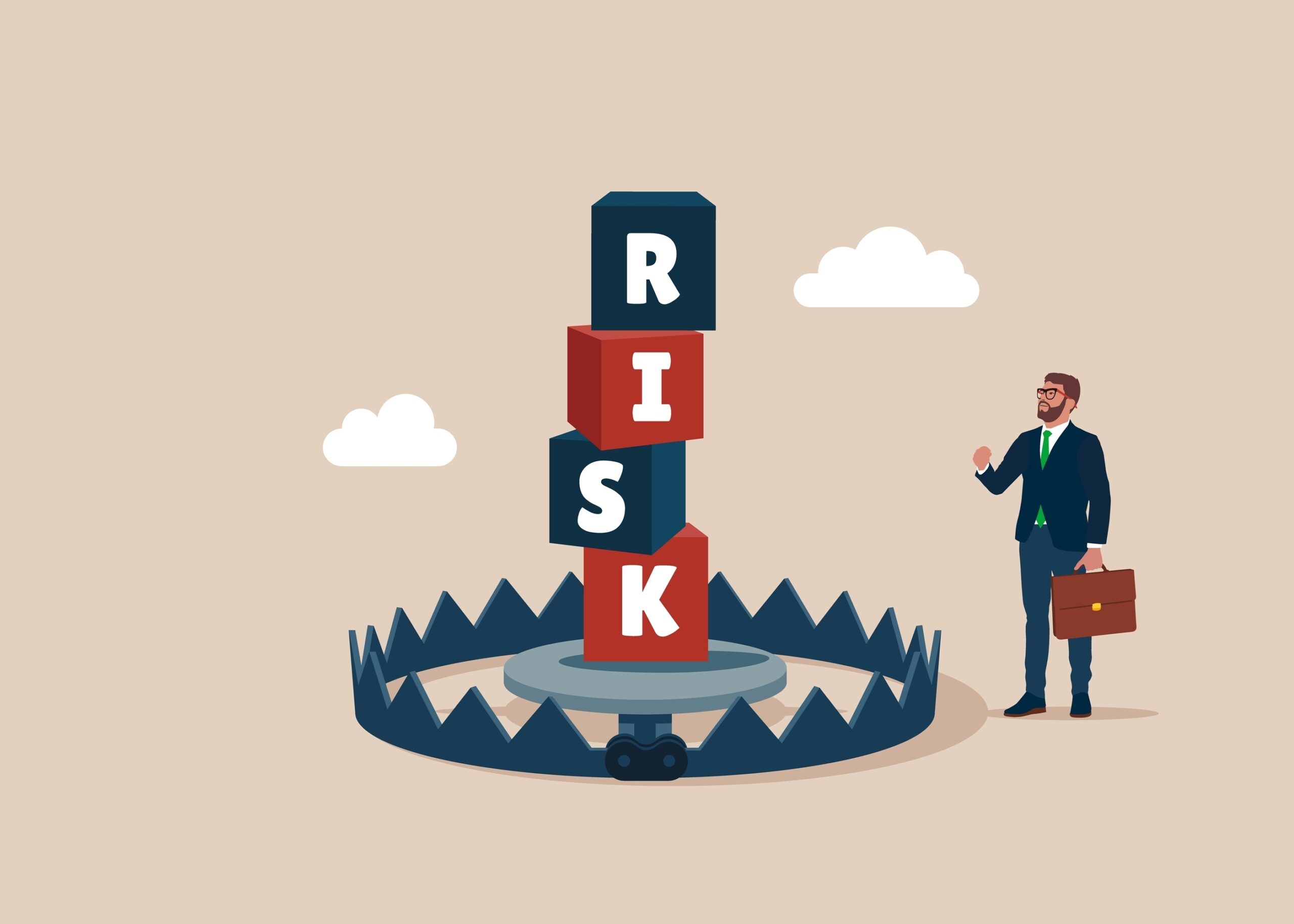
In commercial real estate, a single mistake can lead to irreversible financial damage. Simply adhering to the following principles can prevent catastrophic accidents. First, you must assume a worst-case scenario. If you do not realistically calculate how much you can cover when interest rates skyrocket higher than expected or vacancies persist for more than a year, your assets will quickly turn into a swamp of debt. The essence of investment is not wishful thinking that things will go well, but the resilience to prepare for collapse.
Furthermore, physical inspections must not be omitted. Do not simply trust the broker's word; you must cross-verify the building's condition and the authenticity of the lease agreement through experts. In particular, since new construction or reconstruction is a highly complex area that cannot be entrusted to just anyone, it is safer to seek the assistance of a professional organization that not only possesses a vast inventory of properties but also maintains a systematic cooperative framework with legal professionals, tax accountants, and architects.
The responsibility rests entirely with the investor.

There is no free lunch in the real estate market. While it is not impossible to become a building owner with limited capital, it is only possible through a thoroughly conservative strategy and sophisticated risk management.
Ultimately, if you are going to invest the same amount of time and money, you should choose an expert with extensive experience in building and commercial real estate transactions and know-how regarding large-scale projects. You should heed the advice of a level-headed expert who speaks of the risks first, rather than sensational live broadcasts that emphasize only possibilities. Since you bear the full responsibility for the outcome of your investment, prudence cannot be overemphasized. Choosing an advisor backed by expertise and abundant transaction data is the most reliable defense strategy.