“If you build it, it sells.” There was a time like that.
Whether it's a shopping mall or an office building, providing space attracts people and fosters business. However, with online and digital technologies deeply ingrained in our daily lives, offline spaces can no longer survive simply by "existing."
Shopping malls, offices, commercial facilities, even industrial complexes—each is redefining itself in its own way to meet the demands of the times. Now, the value of a space goes beyond simply "selling products or renting space," but rather creating a reason for people to stay.

©The Hyundai Seoul
Shopping malls, a space that sells experiences rather than goods
In the past, shopping malls were places where you walked along a set path, selecting items one by one. That formula no longer works.
The moment you step into The Hyundai Seoul in Yeouido, you feel a sense of freedom, free from any set paths or zoning. As you walk, experiential pop-up stores and photo zones naturally appear, allowing consumers to "stay" rather than "buy." Starfield has merged sports and cultural spaces, and Lotte World Mall has been reborn as a space that combines shopping and culture with its flagship art studio.
Shopping malls are no longer simply places to sell goods. They are evolving into spaces where people spend time, consume emotions, and create memories.
Office Buildings: Preserving Value and Adding Change
The location and symbolism of office buildings remain key to their real estate value. However, even large office buildings are considering changes to maintain and enhance their value.
Yeouido Park One Tower enhances tenant satisfaction by adding a café, lounge, fitness center, and wellness center to its premium office space. Jongno D Tower combines office space, commercial facilities, and cultural spaces, creating a multi-purpose space open to both employees and visitors. Many office buildings offer community lounges and shared lounges, providing an environment where work, leisure, and social interaction can coexist.
Location and floor space are the fundamentals of an office. However, today's large office buildings are increasing their competitiveness by adding the value of "a desirable workspace" to these fundamentals.
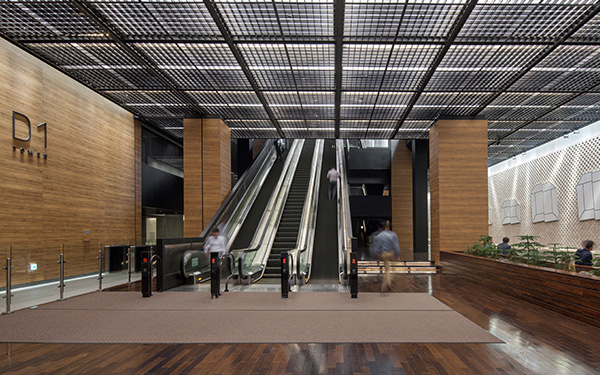
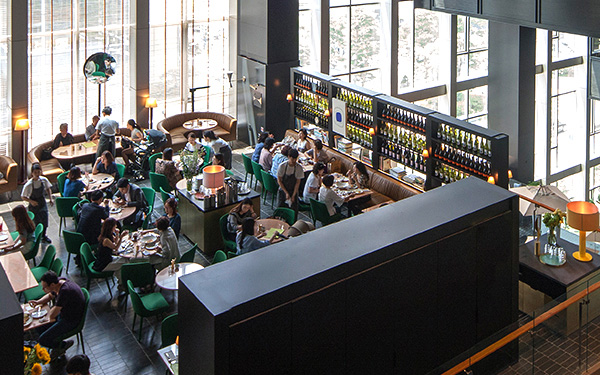
Gwanghwamun D Tower ©JOH
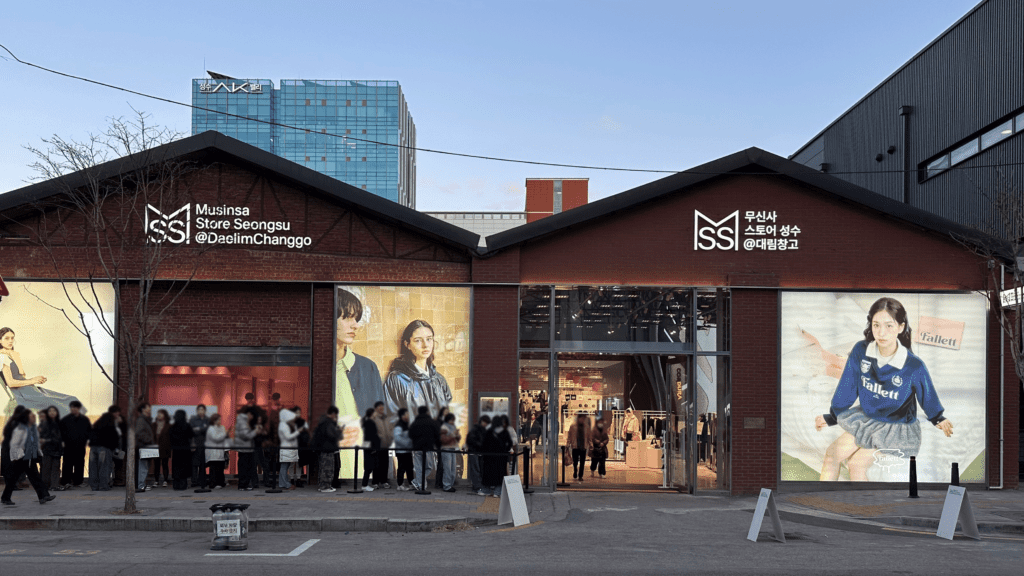
Seongsu-dong: Pop-up Stores Transform the City
Seongsu-dong is a representative example of a district that transformed from an industrial area to a trend center.
Brands open pop-up stores here, not just to sell products, but to offer experiences and share culture. These pop-up stores, where Generation MZ lines up, serve as brand laboratories and forward-thinking bases for emotional marketing. Consumers come to Seongsu-dong not to buy products, but to "experience" the brand.
The changes in Seongsu-dong demonstrate that commercial spaces are evolving beyond simple rental businesses into platforms where brands and customers meet.
Knowledge Industrial Complex: Opening the Future through Smart Convergence
Knowledge industry centers and industrial complexes, once seen as cheap rental spaces for manufacturing businesses, are now finding a new way forward.
Smart farms, biotech, and advanced R&D startups are emerging as new tenants for the Knowledge Industry Center, which is transforming into a cutting-edge convergence space equipped with specialized facilities such as smart logistics systems, open labs, and clean rooms.
Industrial complexes must now provide value beyond just cheap rent.
Evolving in line with the growth of tenants and industry trends is becoming an essential survival strategy.
Space still holds value
The asset value of real estate remains unchanged. However, to maintain and grow that value, spaces must create a reason to captivate people and their time.
Shopping malls serve as cultural and experiential spaces, offices as community and well-being centers, commercial spaces as brand platforms, and industrial complexes as platforms for cutting-edge technology and convergence. In the past, spaces were built to sell, but now they must be built to keep people occupied.
The future of offline spaces depends on what kind of 'reason' they give people.