DDPDongdaemun Design Plaza is now transforming once again into a 'city to linger'.

Recently, the number of investors looking at the DDP (Dongdaemun Design Plaza) area again has been gradually increasing. For a while, Dongdaemun was referred to as a collapsed commercial district. From a decline in tourists following COVID-19 and the expansion of online platforms to the weakening of its wholesale-centered structure, the consumption structure that once drove Dongdaemun was rapidly shaken. And at the center of that change was the DDP. Now, the DDP is preparing to transform once again.
The city that ran day and night

Dongdaemun was originally a rare city in Seoul that operated day and night. During the day, it was bustling with activity as a retail market, and at night, clothing buyers from all over the country flocked in, keeping the lights on all night long. In fact, 1 or 2 a.m. was the most active time.
The street stalls and night markets that had formed around wholesale shopping malls and Dongdaemun Stadium, along with the night trading culture continuing under yellow tents, were iconic scenes of the city of Dongdaemun. Dongdaemun was not merely a shopping district; it was a city where night logistics, dawn trading, tourism consumption, wholesale distribution, and street culture all intermingled simultaneously. And on top of this, the Seoul Metropolitan Government created a space with a completely different concept: the DDP.
DDP was a space that showed Seoul's future too quickly.
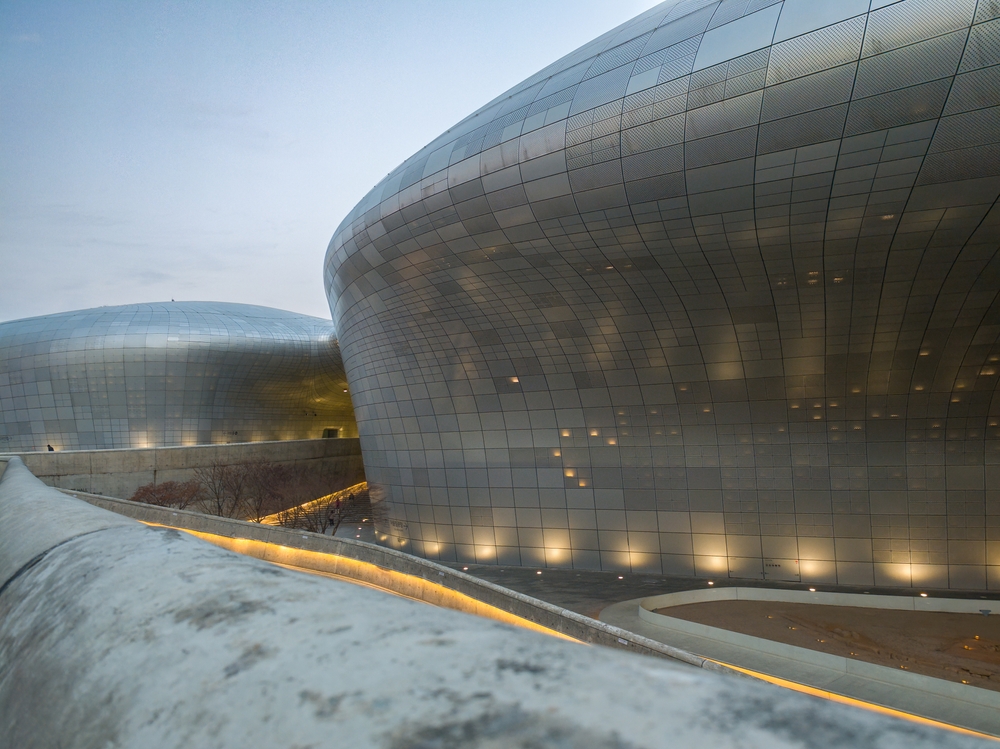
A futuristic building designed by world-renowned architect Zaha Hadid. A complex platform combining exhibitions, design, culture, and fashion. The Seoul Metropolitan Government wanted to showcase not just a simple building, but the image of Seoul's future city first.
 In reality, while DDP has become a representative landmark of Seoul, it has long been accompanied by the assessment that "DDP is famous, but it is not connected to the surrounding commercial district." Although there was a large flow of people visiting DDP, that flow did not naturally extend to the surrounding commercial areas. Some even referred to DDP as a "black hole commercial district." A landmark was created, but it failed to expand into an ecosystem that encourages people to stay within the entire commercial district.
Seoul City's policy change to connect DDP with the local community

Through its recently announced DDP reconstruction plan, the Seoul Metropolitan Government has outlined a direction to gradually reorganize the DDP area by 2027. From reviewing the installation of escalators to improve accessibility to the Design Lab, creating park-like spaces centered on water features, enhancing nighttime lighting, improving pedestrian flow, and expanding cafes and relaxation-oriented content, the key point is that this is not merely a simple remodeling.
The goal is to create a "city that expands the surroundings to encourage people to linger." While the previous DDP was a space where consumption and stay ended within the interior, the future DDP is planned to transform into a space where visitors can walk around, linger, and connect to local commercial districts.

In fact, according to a press release from the Seoul Design Foundation in February, efforts to connect with surrounding commercial districts are gradually showing results, with seven out of ten visitors to DDP spending money in the nearby Dongdaemun area. What is interesting is that this trend appears to be a movement to revive the 'night energy' that Dongdaemun originally possessed in a different way.
If the Dongdaemun night commercial district of the past was centered on early morning wholesale and yellow tents, it is highly likely that the future of Dongdaemun will shift towards night tourism, media art, nighttime F&B, pop-up stores, brand showrooms, and experiential consumption. In other words, while maintaining the essence of being a "city of night," the way consumption takes place is changing.
Recently, real estate transaction trends are also gradually changing.

Recently, changes are also being detected in the actual market. Near DDP, inquiries and consultations regarding small and medium-sized buildings are picking up again, and some assets are being re-evaluated by investors. Interestingly, there are signs that the Dongdaemun commercial district is shifting from a simple wholesale-centered model to a structure of stay-type consumption.
Some large shopping malls are attempting to transform into luxury outlets or experiential consumption spaces, and asset management companies are also beginning to re-evaluate the Dongdaemun commercial district. A prime example is Musinsa, which operates 'Musinsa Studio,' a fashion-specialized co-working space in Dongdaemun, utilizing the area not merely as a shopping district but as a practical hub for fashion brands and the content industry.
What makes Dongdaemun interesting is that mega-sized shopping malls, tourist hotels, medium-sized commercial buildings, and small buildings on small plots are all mixed together within one area. In particular, a recent trend in the field is seeing a surge in inquiries centered on low-rise retail-focused buildings, accommodation-type buildings, assets with good accessibility for tourists, and small commercial buildings on small plots.

In fact, various asset transactions and listing movements have recently been continuing around DDP, and there is a noticeable trend of increased activity in transactions involving small commercial buildings and mini-buildings. This is because, while demand for general office space is sluggish across Seoul, Dongdaemun is a different story. This is due to a structure where demand for tourism, accommodation, showrooms, and short-term stays moves together.
Therefore, recently, there has been continued interest in small office buildings that can replace the lodging industry, as well as assets capable of simultaneously hosting retail and office functions. Ultimately, commercial districts are beginning to be re-evaluated based on 'how long they can keep customers staying.'
Ultimately, commercial districts begin to be re-evaluated the moment the flow of people changes.
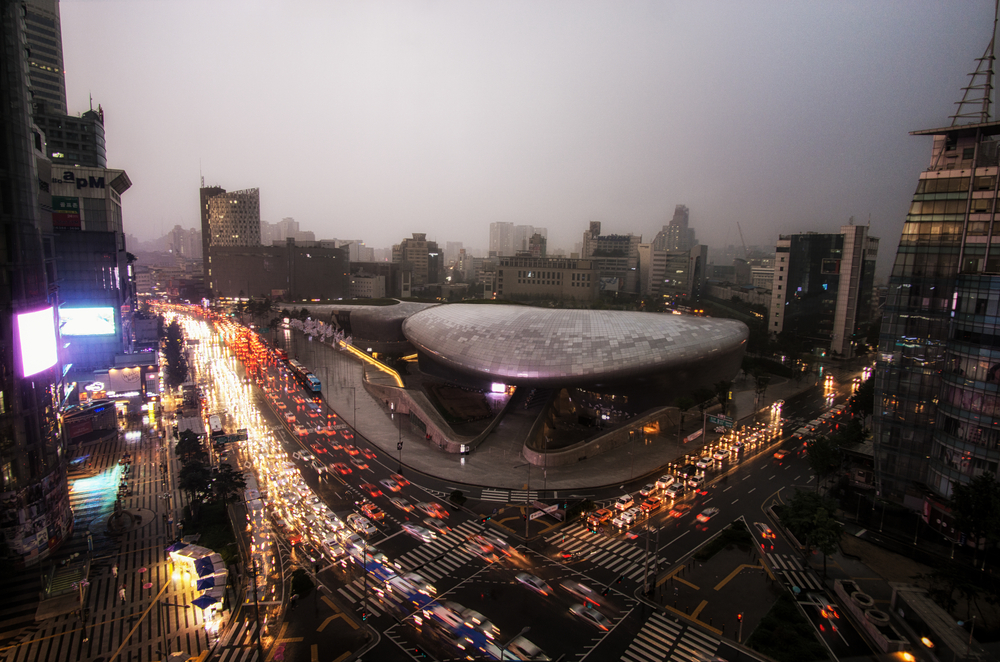
Furthermore, amidst the recent trend of the Dongdaemun area transforming from a simple wholesale district into a destination for extended stays, gradual changes are also appearing in asset values and transaction trends. In fact, around the DDP, there is a steady flow of transactions and listings ranging from small commercial buildings to large office properties, and investor interest appears to be rising again.
※ References: Seoul Design Foundation DDP Press Release / Seoul Metropolitan Government Urban Policy Data / Analysis based on field surveys
If you are interested in recent sales trends, actual transaction cases, and current market flows in the Dongdaemun area, please feel free to contact us anytime.